Teaching & Tutoring
Reading, classroom activities, homework, creative learning and academic confidence.
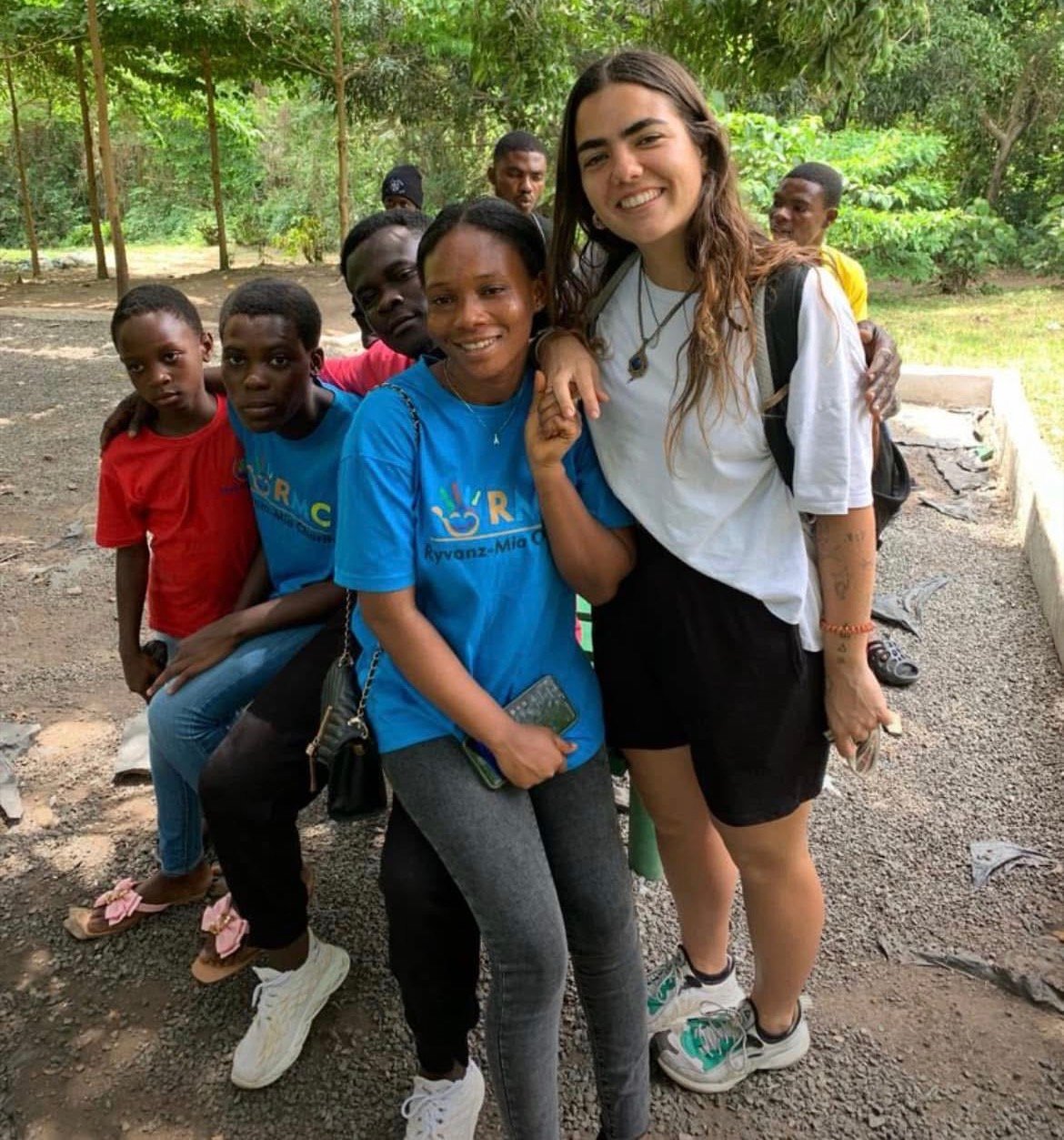
Volunteers can support education, mentoring, communications, fundraising, technology, administration and community programs — onsite or remotely — when their contribution matches a real need.
Reading, classroom activities, homework, creative learning and academic confidence.
Photography, design, video, storytelling, website content and social media with safeguarding approval.
Website management, digital systems, data organization and practical online tools.
Donor communications, grant research, campaigns, events and community engagement.
Mentoring, leadership, life skills, vocational exposure and career guidance.
Documentation, research, organization, planning and program coordination.
Volunteer matching should protect children and make the contribution useful to the local team.
Share your background, skills, interests and availability.
The team compares your information with current needs and safeguarding requirements.
Discuss expectations, responsibilities and the most appropriate role.
Approved volunteers receive guidance before beginning their assignment.
Volunteers support existing priorities rather than creating activities around personal preferences.
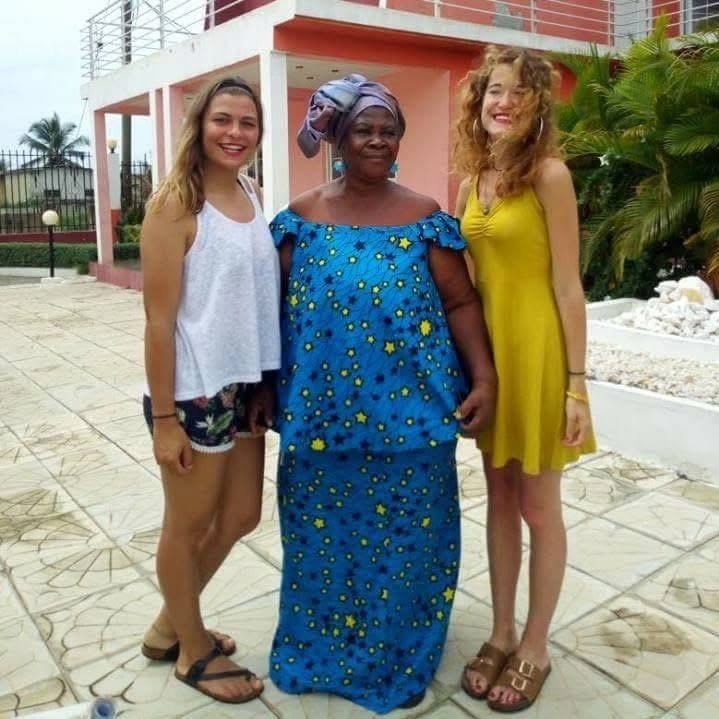
International volunteers generally arrange their own passport, visa, travel, vaccinations, insurance, accommodation, meals and personal expenses unless another arrangement is agreed in writing.
Some roles may require identification, references, interviews or background checks. Volunteers must follow supervision, privacy and communication rules at all times.