Foster Care & Reintegration

Every Child Deserves the Love of a family.

At Ryvanz-Mia Childcare, we believe that every child deserves to grow up in a safe, loving, and nurturing family environment. While we provide temporary residential care for vulnerable children, our long-term goal is always to help children find stability through family-based care whenever it is safe and in their best interest. Through our Foster Care & Reintegration Program, we work alongside families, caregivers, community leaders, and the Department of Social Welfare to protect children, strengthen families, and restore hope.

Safe family care and child reintegration
Family-based care firstChildren thrive best in safe, loving, and stable family environments.
Reintegration with supportPreparation, monitoring, and aftercare continue beyond reunification.
SafetyEvery decision begins with protection
DignityChildren and families are treated with respect
FamilySafe kinship and family care are prioritized
AftercareSupport continues after placement
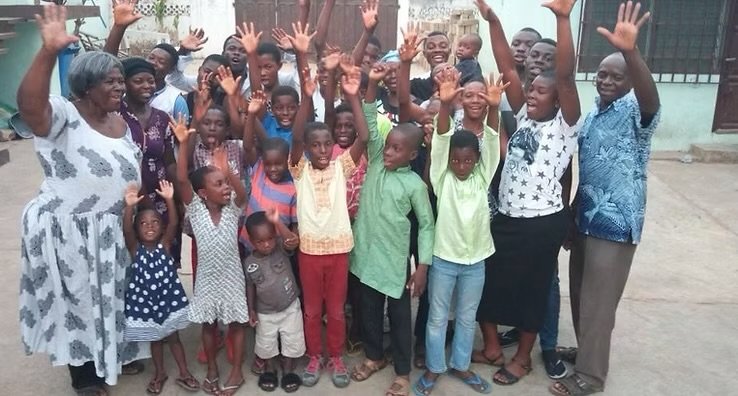
Child receiving safe and nurturing family support
Temporary care with a long-term goalCare plans focus on safety, stability, family strengthening, and the child’s future.
Our approach

Protecting Children. Strengthening Families.

Every child who comes into our care has a unique story. Some have experienced neglect, abandonment, abuse, poverty, or the loss of a parent. Others simply need temporary protection while their families receive the support necessary to provide a safe home. Our role is to ensure every child receives A safe and loving environment, nutritious meals, and quality education. Above all, we work toward helping children grow in stable family settings whenever possible.

Where appropriate, Ryvanz-Mia Childcare works with family members, community leaders, and social welfare professionals to assess needs, prepare the home, and support a carefully planned return.

Child-centered planningDecisions are based on safety, wellbeing, development, and the child’s best interests.
Family assessmentCaregivers, home conditions, relationships, and support needs are reviewed.
Preparation before returnFamilies receive guidance and practical support before reintegration.
Monitoring and aftercareFollow-up helps identify challenges and protect the child after placement.
The care pathway

From immediate protection to safe reintegration

Every case is different, but responsible care generally follows a structured and documented process.

1

Referral & Intake

Concerns are documented and reviewed with the appropriate child-protection authorities.

2

Immediate Care

The child receives safe shelter, food, healthcare, education, and emotional support.

3

Family Assessment

Relatives, caregivers, home conditions, and protective capacity are carefully considered.

4

Reintegration Plan

A gradual, practical plan is developed with responsibilities, support, and safeguards.

5

Aftercare

Follow-up visits and continued support help maintain safety, stability, and school participation.

Support during care

Meeting the child’s needs while the future is prepared

🏠

Safe Accommodation

Children receive supervised care in an environment designed to protect dignity and wellbeing.

🍲

Nutrition

Regular meals and food support help restore health, stability, and readiness to learn.

📘

Education

School continuity, learning materials, tuition support, and academic encouragement remain priorities.

🩺

Healthcare

Children receive appropriate medical attention, health monitoring, and referral when needed.

💛

Emotional Support

Caring adults provide reassurance, routine, listening, mentoring, and age-appropriate guidance.

👨‍👩‍👧

Family Connection

Safe and approved family contact may be supported as part of the reintegration process.

Preparing for reintegration

A child should not return home without preparation

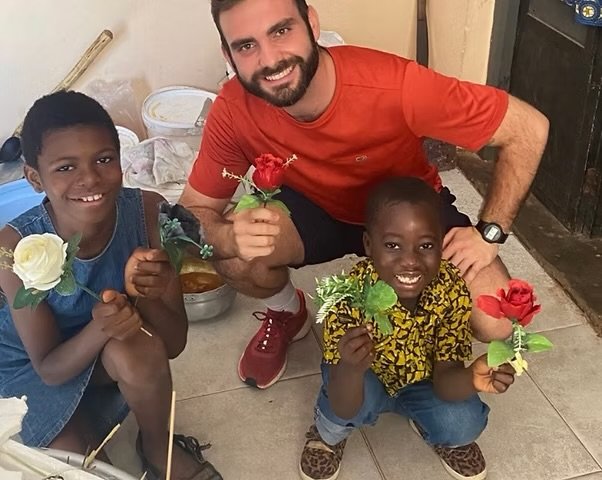
Reintegration is more than taking a child back to a household. It requires careful preparation, honest assessment, practical support, and agreement among the people responsible for the child’s safety.
Home readinessHousing, sleeping arrangements, food access, safety, and supervision are reviewed.
Caregiver commitmentCaregivers understand their responsibilities and agree to the care plan.
Education continuitySchool enrollment, fees, uniforms, transport, and learning needs are considered.
Economic supportWhere possible, families are linked to livelihood or emergency support.
Child participationThe child’s views, fears, relationships, and level of readiness are considered.
Follow-up scheduleMonitoring responsibilities and contact points are agreed before placement.
Family reintegration and support
Safeguarding first

Reintegration happens only when it is safe and appropriate

A family connection alone does not automatically make a placement safe. Child-protection decisions should involve proper assessment, documentation, professional guidance, and continued monitoring.

  • No child should be returned to a known unsafe environment.
  • Confidential information must be handled carefully.
  • Children should not be pressured to accept a placement.
  • Concerns raised during follow-up must be taken seriously.
  • Alternative care may remain necessary when reintegration is not appropriate.
Child safeguarding and family care
Why aftercare matters

Support should continue after the child returns home

School

Education Follow-Up

Attendance, fees, supplies, performance, and school adjustment may require continued support.

Home

Family Stability

Follow-up helps identify food insecurity, conflict, neglect, housing issues, or caregiver stress.

Child

Wellbeing Monitoring

Children need safe opportunities to express concerns and receive help when adjustment is difficult.

Program FAQs

Common questions about foster care and reintegration

What is foster care?

Foster care is temporary family-based or supervised care for a child who cannot safely remain in their usual home. It should provide protection and stability while a long-term plan is developed.

Is reintegration always the goal?

Safe family care is generally preferred, but reintegration should occur only when it serves the child’s best interests and the home environment is adequately prepared.

How are families assessed?

Assessment may consider the caregiver’s relationship with the child, home safety, financial stability, supervision, school access, health needs, and any known protection concerns.

What support can families receive?

Depending on need and available resources, support may include food, education, healthcare, counseling, livelihood guidance, parenting support, and referrals to public services.

What happens after reintegration?

Follow-up visits and communication help monitor the child’s safety, school attendance, health, adjustment, and family stability.

Can I foster a child through the organization?

Foster parenting must follow Ghanaian law and the guidance of the appropriate social welfare and child-protection authorities. Contact the organization for referral information.

Can donors support reintegrated families?

Yes. Donations can help with education, food, healthcare, emergency household needs, livelihood support, and aftercare monitoring.

Help families stay together safely

Your support can help a child return to a stronger home.

Help provide temporary care, family assessment, school support, food, healthcare, reintegration assistance, and aftercare for vulnerable children.

Scroll to Top